Energy · Veracruz · Curanderismo and Mexican folk magic · Colonial town, folk tradition to the present
Catemaco
A lakeside town in the Veracruz rainforest that Mexico knows as its capital of folk magic and healers.
Gateway town to the Los Tuxtlas UNESCO Biosphere Reserve (designated 2006)
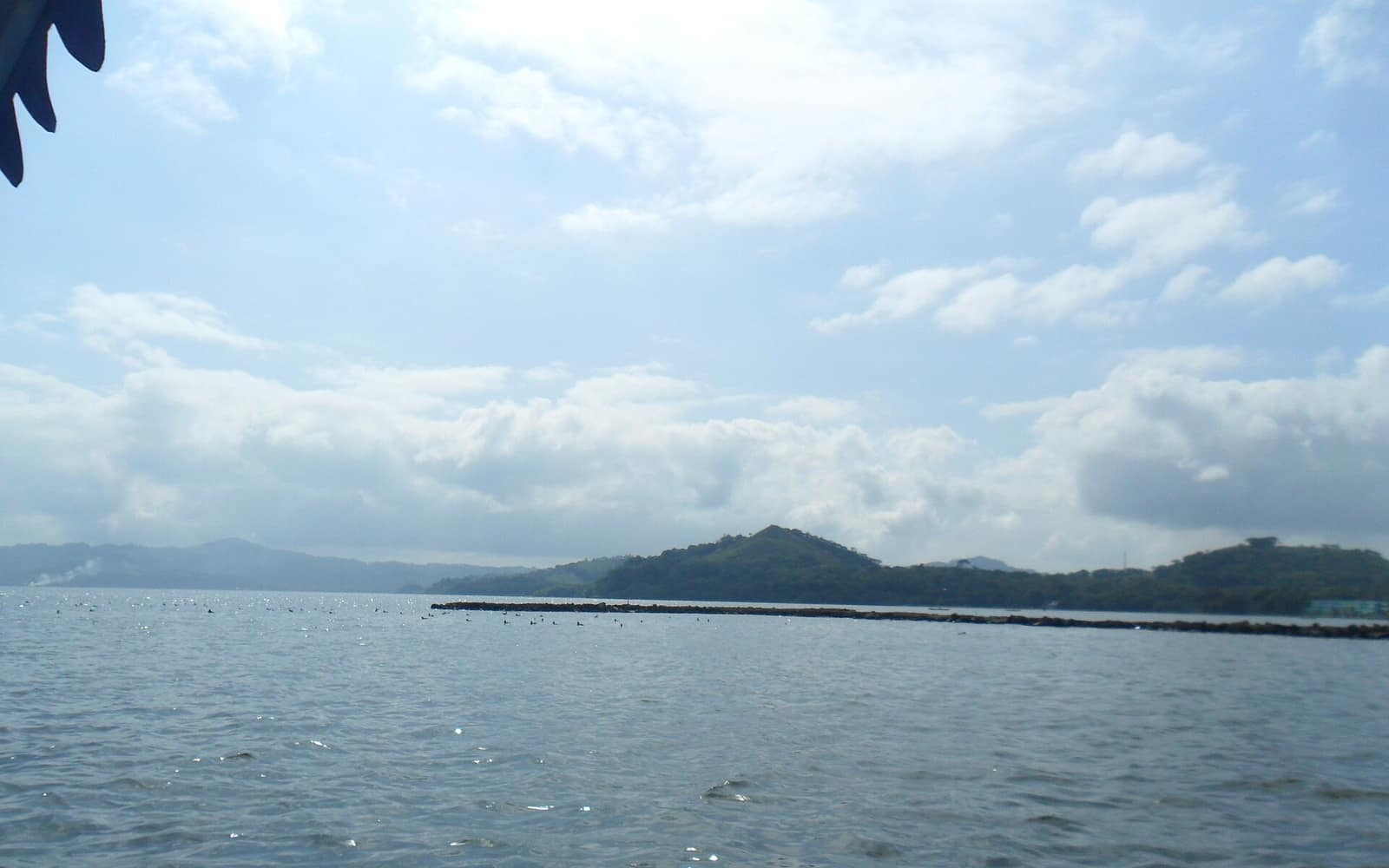
A shallow, jade-green lake fills an old volcanic basin, ringed by the northernmost rainforest on the American mainland. On its shore sits Catemaco, the town Mexico half-jokingly calls its capital of witchcraft, where the line between herbal healing and roadside sorcery is deliberately blurred.
The reputation
Ask around Mexico and Catemaco comes up as the place you go for a limpia, a spiritual cleansing, or for something darker if that is what you are after. The town leans into the story. Signs for brujos and curanderos line the road in, and every practitioner seems to hold a different title.
Behind the marketing sits a real tradition of syncretic practice. It draws on Catholic devotion to the saints, pre-Hispanic ritual, and, according to many accounts, Afro-Caribbean strands brought in through the Gulf. Locals themselves distinguish between curanderos, who heal, and brujos, who are said to work in both white and black magic. How literally you take the black-magic side is left up to you.
The lake and the forest
Lake Catemaco covers about 72 square kilometers at 340 meters above sea level, shallow enough to warm in the sun, with a maximum depth of only around 22 meters. It formed when lava from the San Martin Tuxtla volcano dammed a valley, possibly a couple of million years ago, and several fish species now live in it and nowhere else on Earth.
The lake is dotted with small volcanic islands, two of which are known for their monkeys. In 1974 the University of Veracruz released a colony of stump-tailed macaques onto an uninhabited island as a research project, and boatmen have ferried curious visitors out to see them ever since. The hills around belong to Los Tuxtlas, named a UNESCO Biosphere Reserve in 2006 and often called the northernmost tropical rainforest in the Americas.
The first Friday of March
The town's best-known event is the annual congress of shamans and healers, founded in the 1970s by the celebrated brujo mayor Gonzalo Aguirre. It opens on the first Friday of March and pulls in around 200 practitioners, from serious herbalists to card readers, along with thousands of onlookers.
For years the highlight was a midnight black mass on the lakeshore that could draw several thousand people. Under pressure from the Catholic Church, the event was officially renamed the Ritos, Ceremonias y Artesanías Mágicas, and the big public black mass has largely given way to smaller private ceremonies. What remains is part ritual, part market, and part spectacle, and it is honest about being all three.
Healers, not just sorcerers
The showmanship can overshadow the older reason people come. Curanderismo, folk healing with herbs, prayer, massage, and cleansing rituals, is a living tradition across this part of Veracruz, and Catemaco has long been one of its hubs. Many visitors arrive for a consultation and a limpia rather than any spell.
On the lakeshore, the Nanciyaga reserve offers a gentler version of all this, with mud baths, mineral springs, and a temazcal, the pre-Hispanic steam bath, set in the jungle. Its misty forest stood in for the Amazon in the 1992 film Medicine Man, which is a fair sign of how the outside world reads this landscape.
Standing there today
Catemaco is a real, unglamorous town first and a legend second. Fishermen work the lake at dawn, families fill the lakefront in the evening, and the Basilica of the Virgin of Carmen anchors the center. Each July 16 the Virgin's image is carried across the water by a flotilla of boats, a reminder that the town's Catholic devotion runs as deep as its reputation for magic.
Come with an open and slightly skeptical mind. Some of what is offered is sincere folk medicine, some is performance for tourists, and the town does not always draw a clear line between the two. That ambiguity, set against a genuinely beautiful lake and forest, is much of the appeal.
Did you know
- In 1992 the jungle around Catemaco stood in for the Amazon in Medicine Man, filmed largely at the lakeside Nanciyaga reserve.
- Much of what scientists know about stump-tailed macaques comes from a colony released onto a Catemaco lake island by the University of Veracruz in 1974.
- The lake was born when lava from the San Martin Tuxtla volcano blocked a valley, an event that may date back close to two million years.
- Under pressure from the Catholic Church, the witches' congress was formally renamed the more neutral Ritos, Ceremonias y Artesanías Mágicas.
- Several species of fish are found only in Lake Catemaco and nowhere else in the world.
- The name Catemaco is thought to come from Nahuatl for a place of burned houses, a likely nod to a volcanic eruption.
- Each July 16 the town carries the Virgin of Carmen across the lake by boat, its Catholic feast sharing the same waters as its famous sorcery.
Through time
- c. 2 million yrs ago Lava from the San Martin Tuxtla volcano dams a valley and creates Lake Catemaco.
- Pre-Hispanic Olmec and later Nahua and Popoluca peoples settle the Los Tuxtlas hills.
- 1664 By local tradition the Virgin of Carmen appears to a fisherman at El Tegal on the lakeshore.
- 1774 The town of Catemaco is founded.
- 1970s Brujo mayor Gonzalo Aguirre founds the annual congress of shamans and healers.
- 2006 Los Tuxtlas is designated a UNESCO Man and the Biosphere reserve.
Before you go
Catemaco sits on Highway 180 in southern Veracruz, roughly 160 km from the port of Veracruz and about two and a half hours by road. The nearest airports are Veracruz and Minatitlan, and buses run to the town from both.
The drier, cooler months from November to April are the easiest for travel. The first Friday of March draws the biggest crowds for the brujos congress, and July 16 brings the Virgin of Carmen pilgrimage.
One to two days. A lake boat tour and a jungle reserve visit fill a day, with more time worthwhile if you add hikes into Los Tuxtlas.
Treat consultations with curanderos as real services and pay fairly. Ask before photographing rituals or people, and meet the folk-magic scene with curiosity rather than mockery.
Sources: Wikipedia: Catemaco · Wikipedia: Lake Catemaco · Wikipedia: Los Tuxtlas Biosphere Reserve · UNESCO MAB: Los Tuxtlas · MexConnect: Catemaco, cradle of sorcery and witchcraft
Nearby & related
A cliff-ringed Pueblo Mágico with a mountaintop pyramid and a long reputation as an energy centre.
Energy · Morelos El TajínA ruined Gulf Coast city whose Pyramid of the Niches carries one carved recess for every day of the solar year.
Ancient · Veracruz La VentaThe Olmec capital of La Venta was one of the earliest planned cities in Mesoamerica, famous for its colossal basalt heads and one of the first great earthen pyramids.
Ancient · Tabasco Peña de BernalA vast volcanic monolith rising over a small Querétaro town, sacred to the Otomí-Chichimeca and widely known today as an energy site.
Energy · QuerétaroHold ceremony in Mexico?
Each vertical opens with a curation round: verified, or not listed. Tell us who you are, what you hold, and where we can check you.
For practitioners →